 Chat with us
 Call Us : 08071780060Call Us : 08071780060
 Send Inquiry
Gear Garari
Price 250 INR/ Piece
MOQ : 1 , , Piece
Gear Garari Specification
- Bore Size
- As per requirement
- Usage & Applications
- Industrial Machinery, Automotive, Agricultural Equipment
- Product Type
- Chains & Sprockets
- Material
- Steel
- Surface Treatment
- Polished/Anti Rust Coated
- Teeth Number
- 10-65 teeth (customizable)
- Front Gear
- Available
- Rear Gear
- Available
- Size
- Standard & Custom Sizes
- Customization
- Design and dimensions customizable
- Load Capacity
- High load bearing
- Corrosion Resistance
- Yes
- Tolerance
- Precision Machined to +/- 0.01 mm
- Weight
- Depends on size and teeth
- Manufacturing Process
- CNC Machined & Heat Treated
- Pitch
- As per DIN/IS standards
- Color
- Natural Metal/Grey
- Hardness
- 58-62 HRC
- Standards
- IS, DIN compliant
- Packaging
- Corrugated Box/Plastic wrap as required
Gear Garari Trade Information
- Minimum Order Quantity
- 1 , , Piece
- Payment Terms
- Cash in Advance (CID)
- Supply Ability
- 10 Pieces Per Day
- Delivery Time
- 1 Days
- Sample Available
- Yes
- Sample Policy
- Sample costs shipping and taxes has to be paid by the buyer
- Main Domestic Market
- All India
Gear Garari About
Common Types of Gears Gears are classified based on the orientation of the shafts they connect (parallel, intersecting, or non-intersecting). Spur Gears: Description: The most common and simple type, with straight teeth parallel to the axis of rotation. Pros & Cons: Simple and cost-effective, but can be noisy because the teeth engage suddenly. Applications: Clocks, conveyor systems, and various industrial machines. Helical Gears: Description: Teeth are angled in a helix pattern around the gear body, allowing for gradual engagement. Pros & Cons: Smoother, quieter operation and can handle higher loads than spur gears, but create an axial thrust that requires thrust bearings. Applications: Automotive transmissions and heavy-duty machinery. Bevel Gears: Description: Conical shape with teeth along the edges, designed to transmit power between intersecting (often perpendicular) shafts. Applications: Differentials in cars, steering systems, and agricultural implements. Worm Gears: Description: Consists of a screw-like worm and a gear (worm wheel), used for high speed reduction between non-intersecting right-angle shafts. Pros & Cons: Often self-locking, meaning the worm can turn the gear but not vice versa. Applications: Lifts, elevators, and other lifting mechanisms. Rack and Pinion: Description: A round gear (pinion) engages a straight bar with teeth (rack) to convert rotational motion into linear motion or vice versa. Applications: Automotive steering systems and automated machinery. Planetary Gears: Description: Multiple gears (planets) orbit a central "sun" gear within an internal ring gear, providing compact, high-torque setups. Applications: Automatic transmissions, electric vehicles, and heavy construction equipment.Precision Engineering for Demanding Applications
Crafted using CNC machining and rigorous heat treatment, Gear Garari offers exceptional hardness and dimensional accuracy. Its tight tolerance ensures seamless performance in high-stress environments, while compliance with DIN and IS standards makes it universally compatible for industrial, automotive, and agricultural systems.
Custom Solutions Tailored to Your Needs
Whether you need a particular size, teeth count, or bore, Gear Garari can be fully customized. Our team works closely with you to deliver gears that fit both standard and unique specifications, guaranteeing optimal fit and function in your machinery. Front and rear gear options, as well as surface treatments, are available based on application.
Durability and Protection for Longevity
Gear Garari stands out with its advanced anti-rust coating and corrosion-resistant finish. The steel construction ensures durability, while high load capacity makes it reliable for heavy-duty operations. Robust packaging provides added protection during transit, ensuring every gear arrives in prime condition.
FAQ's of Gear Garari:
Q: How is the Gear Garari manufactured and what materials are used?
A: Gear Garari is crafted from high-quality steel using precision CNC machining, followed by heat treatment to achieve a hardness of 58-62 HRC. The surface is then polished and coated for corrosion resistance, ensuring exceptional strength and durability.Q: What customization options are available for Gear Garari?
A: Customers can customize Gear Garari's design, dimensions, number of teeth (from 10 to 65), size, and bore diameter. We also offer variations for front and rear gears, as well as different surface treatments, catering to specific application needs.Q: Where and in what applications can Gear Garari be used?
A: Gear Garari is widely used in industrial machinery, automotive systems, and agricultural equipment. Its robust construction and compliance with IS and DIN standards make it suitable for high-load, high-precision applications.Q: What are the benefits of the high hardness and precision machining of Gear Garari?
A: The high hardness (58-62 HRC) imparts excellent wear resistance and load-bearing capability. Precision machining to +/- 0.01 mm ensures a perfect fit and smooth operation, reducing the risk of mechanical failures or downtime.Q: How is corrosion resistance ensured in Gear Garari?
A: Corrosion resistance is achieved through superior surface treatments, including polishing and the application of anti-rust coatings. This enhances the gear's longevity, especially in harsh industrial or agricultural environments.Q: When and how are the products packaged for delivery?
A: Once manufactured and inspected, Gear Garari units are packaged in robust corrugated boxes or wrapped in plastic, based on customer requirements. This ensures safe transit and protection from environmental factors during delivery.
Tell us about your requirement

Price:
Quantity
Select Unit
- 50
- 100
- 200
- 250
- 500
- 1000+
Additional detail
Mobile number
Email

More Products in Campound Slides Category
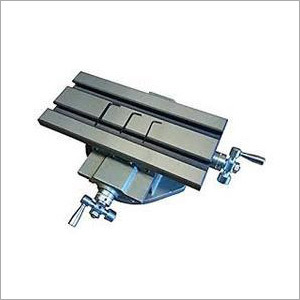
Campound Slides
Price 1500 INR / Unit
Size : Customizable
Usage & Applications : Industrial machinery, precision sliding systems
Surface Treatment : Polished
Material : Other, Alloy Steel
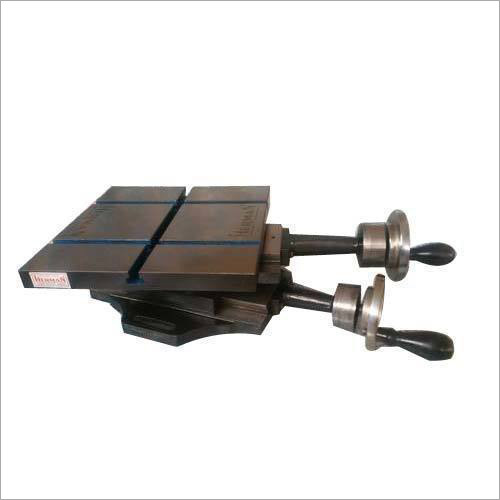
Compound Slide
Price 4500 INR / Piece
Minimum Order Quantity : 1 Piece
Size : Standard
Usage & Applications : Machining Precision Adjustment
Surface Treatment : Painted/Coated
Material : Other, Cast Iron

Address
SHAKTI MACHINE TOOLS
GST : 07AYNPS0719H1Z5
GST : 07AYNPS0719H1Z5
- Rz-75, Ravi Nagar Extn., Street No.03 Near Park Hospital,New Delhi - 110018, India
- Phone :08071780060
-
 Send Inquiry
 Send Inquiry
 Send Inquiry
 |
SHAKTI MACHINE TOOLS
All Rights Reserved.(Terms of Use) Developed and Managed by Infocom Network Private Limited. |
