 Chat with us
 Call Us : 08071780060Call Us : 08071780060
 Send Inquiry
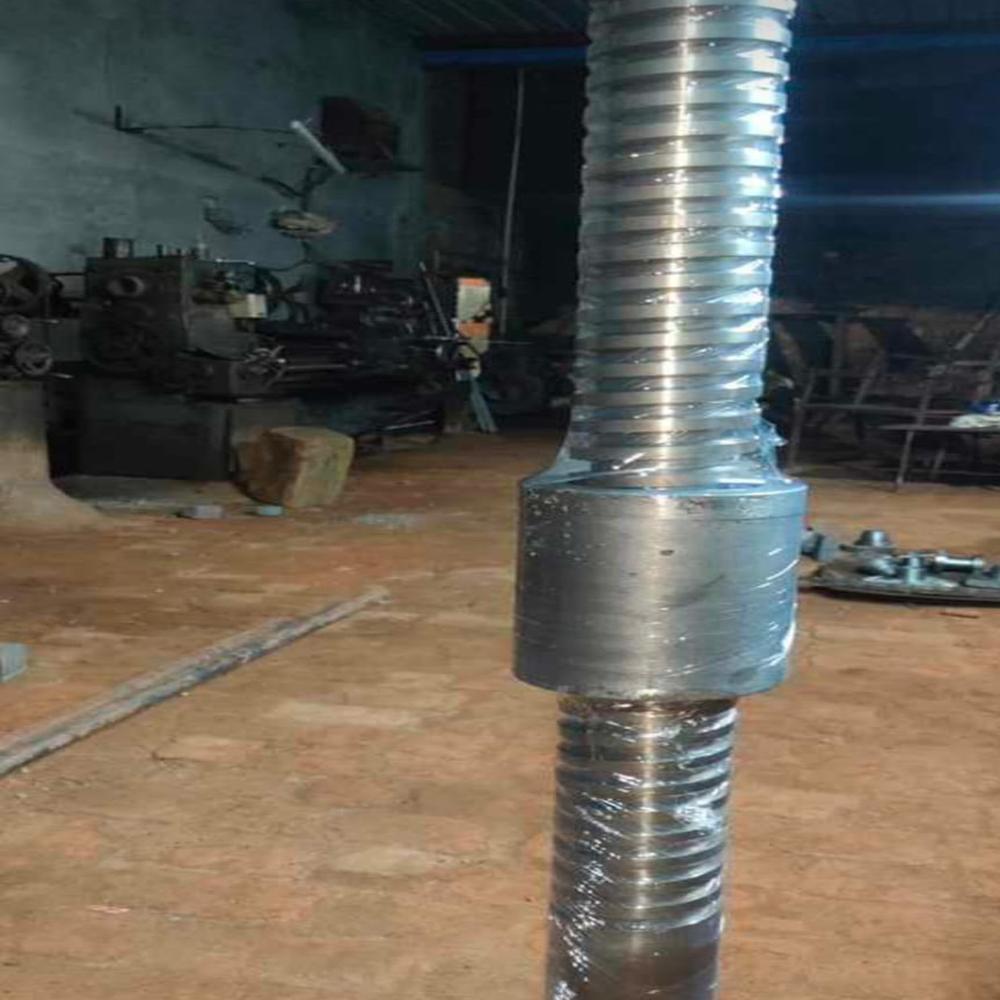
JACK LIFTING SCREWS
Price 500.0 INR/ Piece
MOQ : 1 Piece
JACK LIFTING SCREWS Specification
- Product Type
- A lead screw is a mechanical power transmission component that converts rotational motion into precise linear motion through the sliding contact between the screw's threads and a mating nut. They are widely used in applications that require controlled, accurate movement and significant force generation with a high mechanical advantage.
- Material
- En-8D
- Computerized
- Yes
- Automatic Grade
- Manual
- Control System
- Frequency Speed Control
- Drive Type
- Manual
- Warranty
- No
JACK LIFTING SCREWS Trade Information
- Minimum Order Quantity
- 1 Piece
- FOB Port
- SMT
- Payment Terms
- Cash in Advance (CID)
- Supply Ability
- 50 Pieces Per Day
- Delivery Time
- 1 Days
- Sample Available
- Yes
- Sample Policy
- Sample costs shipping and taxes has to be paid by the buyer
- Main Domestic Market
- All India
JACK LIFTING SCREWS About
A jack lifting screw, also known as a screw jack or jackscrew, is a mechanical device used to lift, lower, or position heavy loads by converting rotary motion into linear motion. Its a classic example of simple yet powerful engineering.
Key Components:
-
Lead Screw: A threaded rod that moves vertically to lift or lower the load.
-
Worm Gear or Bevel Gear: Transfers rotational force to the lead screw.
-
Housing: Encloses the mechanism and provides structural support.
-
Handle or Motor: Used to rotate the screw manually or electrically.
How It Works:
When the handle or motor turns the worm gear, it rotates the lead screw. Depending on the design, either the screw itself moves up and down (translating type) or a nut travels along a stationary screw (rotating type), lifting the load in the process.
Applications:
-
Lifting vehicles (like in car jacks)
-
Adjusting aircraft stabilizers
-
Supporting heavy structures (e.g., house foundations)
-
Industrial automation and machinery positioning
Versatile Lifting Applications
Jack Lifting Screws are designed for versatile industrial lifting requirements in India. With their combination of manual drive and computerized controls, they can be deployed in workshops, manufacturing units, and warehouses needing frequent or precise lifting operations.
Durable Construction Materials
Crafted with EN-8D steel, our jack lifting screws are engineered for strength and resilience. This robust material ensures the screw can withstand heavy loads and repetitive use, making them dependable tools for demanding environments.
Control and Efficiency
Each jack features a frequency speed control system, merging manual usability with computerized precision. This advanced control system allows users to achieve exact lifting speeds, enhancing workplace efficiency and safety.
FAQ's of JACK LIFTING SCREWS:
Q: How do I operate a manual jack lifting screw with computerized frequency speed control?
A: To use the jack, manually engage the drive mechanism as instructed. Simultaneously, utilize the computerized frequency control to adjust and monitor the lifting speed for more precise operations.Q: What is the primary benefit of combining manual drive with computerized controls in these lifting screws?
A: This combination offers the hands-on reliability of manual operation and the refined precision of computer-guided speed adjustment, resulting in accurate and efficient lifting.Q: When should I choose an En-8D jack lifting screw over other materials?
A: En-8D lifting screws are preferable when high strength, wear resistance, and durability are required to handle tough industrial tasks with frequent use.Q: Where can I purchase or source these jack lifting screws in India?
A: These screws are available through distributors, manufacturers, suppliers, traders, and wholesalers throughout India. Reach out to your local industrial equipment providers for availability.Q: What is the process for installing or integrating these jack lifting screws in my facility?
A: Begin by setting up the unit on a stable surface, secure it according to your operational standards, then connect the control system and carry out a test lift to confirm precise functionality.Q: How do I ensure proper usage and maintain safety when operating these screws?
A: Always follow the manufacturer's operational guidelines, do not exceed load limits, and regularly inspect components. Training staff on correct manual and computerized controls is essential for safe use.Q: What should I do if I encounter issues, given there is no warranty on the product?
A: If problems arise, consult the manufacturer's technical support or your supplier for troubleshooting advice. Keeping spare parts and adhering to preventative maintenance schedules can help minimize downtime.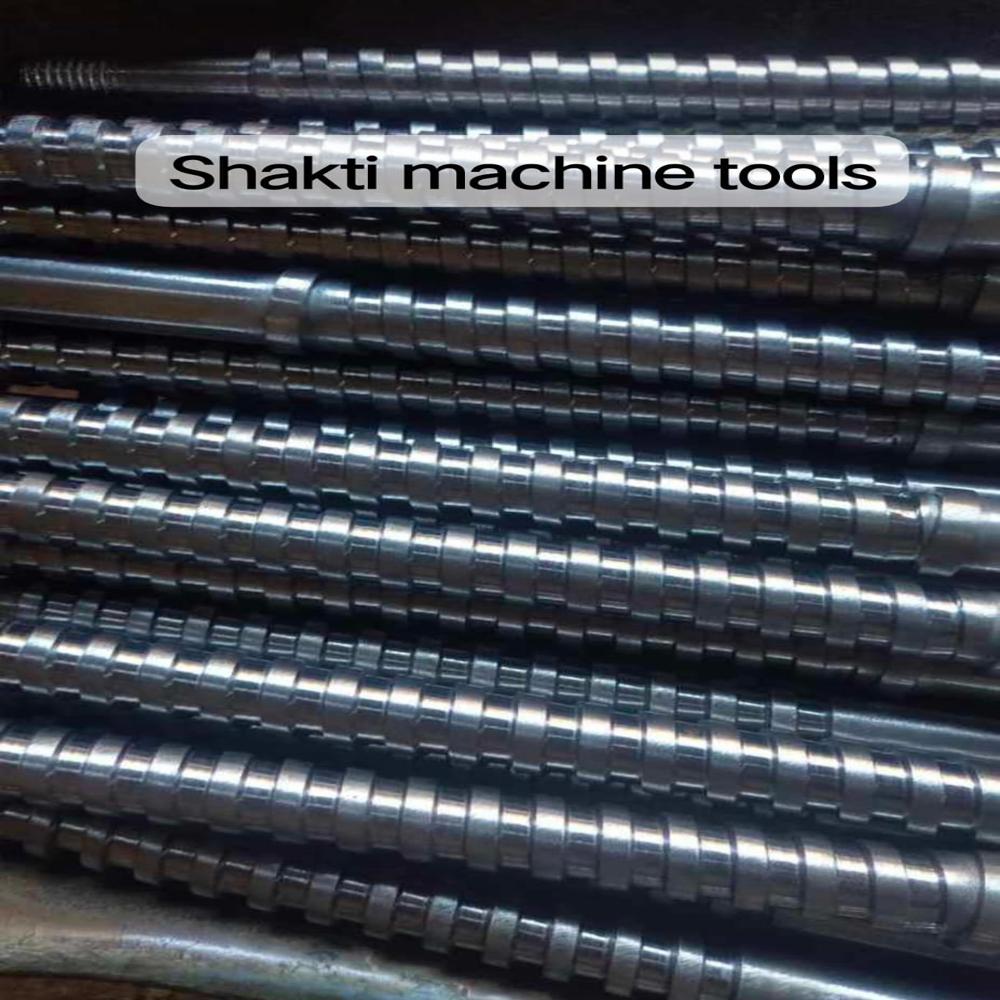
Tell us about your requirement

Price:
Quantity
Select Unit
- 50
- 100
- 200
- 250
- 500
- 1000+
Additional detail
Mobile number
Email

More Products in LEADS SCREW Category
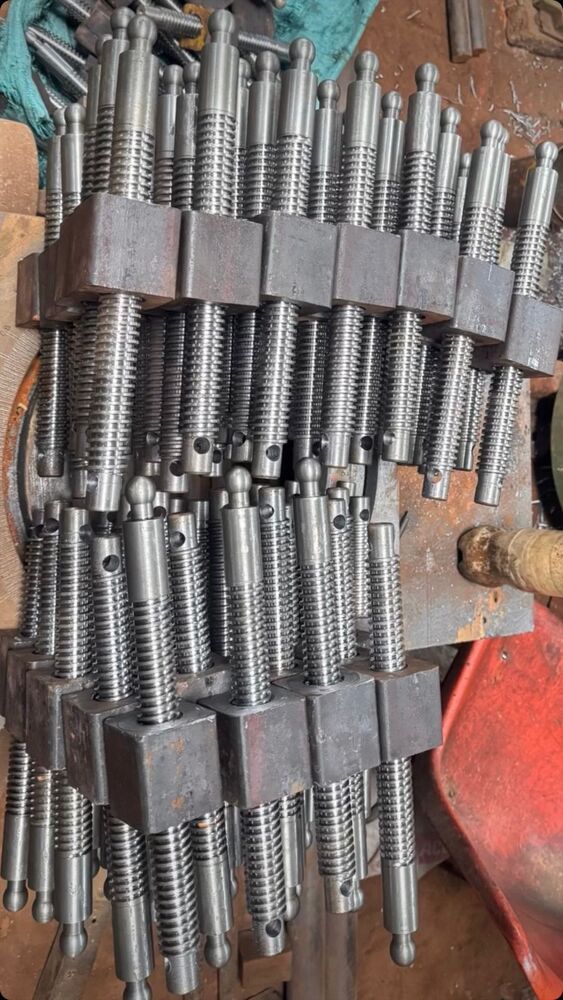
MACHINERY LEADS SCREW
Price 500.0 INR / Piece
Minimum Order Quantity : 10 Pieces
Control System : Human Machine Interface
Color : Silver
Application : Industrial
Drive Type : Manual

Address
SHAKTI MACHINE TOOLS
GST : 07AYNPS0719H1Z5
GST : 07AYNPS0719H1Z5
- Rz-75, Ravi Nagar Extn., Street No.03 Near Park Hospital,New Delhi - 110018, India
- Phone :08071780060
-
 Send Inquiry
 Send Inquiry
 Send Inquiry
 |
SHAKTI MACHINE TOOLS
All Rights Reserved.(Terms of Use) Developed and Managed by Infocom Network Private Limited. |
