 Chat with us
 Call Us : 08071780060Call Us : 08071780060
 Send Inquiry
Standard Lathe Machines
Price 180000.0 INR/ Unit
MOQ : 1 Unit
Standard Lathe Machines Specification
- Gear Type
- Change Gear
- Material
- Cast Iron, Steel
- Processing Type
- Manual / Semi-Automatic
- Gear Tooth Profile
- Straight
- Gearing Arrangement
- Spur
- Direction
- Bidirectional
- Output Torque
- High
- Rated Power
- 2 HP to 7.5 HP
- Input Speed
- 1440 rpm
- Output Speed
- Variable
- Voltage
- 220V/440V, 3 Phase
- Efficiency
- Up to 80%
- Chuck Size
- 200 mm to 250 mm
- Tail Stock Travel
- 120 mm to 150 mm
- Swing Over Bed
- 320 mm to 400 mm
- Spindle Bore
- 38 mm to 52 mm
- Machine Weight
- 950 kg to 1750 kg
- Number of Speeds
- 8 to 12
- Bed Width
- 215 mm to 260 mm
- Bed Type
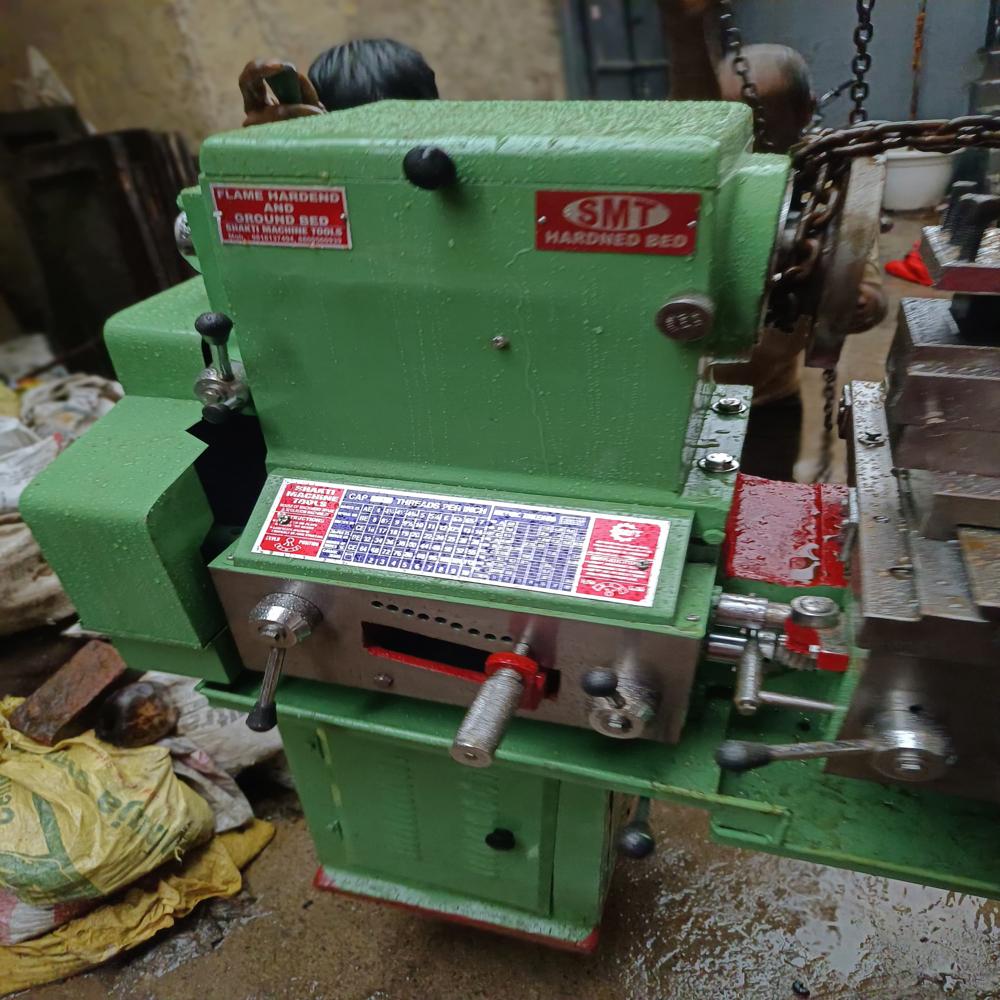
- Hardened & Precision Ground
- Between Centers
- 760 mm to 1500 mm
- Cross Slide Travel
- 160 mm to 270 mm
- Longitudinal Feed
- 0.05 to 1.2 mm/rev
- Application
- Turning, Facing, Thread Cutting, Drilling
- Coolant Pump
- Provided
Standard Lathe Machines Trade Information
- Minimum Order Quantity
- 1 Unit
- FOB Port
- SMT
- Payment Terms
- Cash Advance (CA)
- Supply Ability
- 1 Unit Per Day
- Delivery Time
- 1 Days
- Sample Policy
- Sample costs shipping and taxes has to be paid by the buyer
- Main Domestic Market
- All India
Standard Lathe Machines About
A standard lathe machine is a fundamental tool in metalworking and manufacturing, often referred to as the "mother of all machines." Its primary function is to remove unwanted material from a rotating workpiece using a stationary cutting tool, shaping it into the desired form.
Key Features of a Standard Lathe Machine:
-
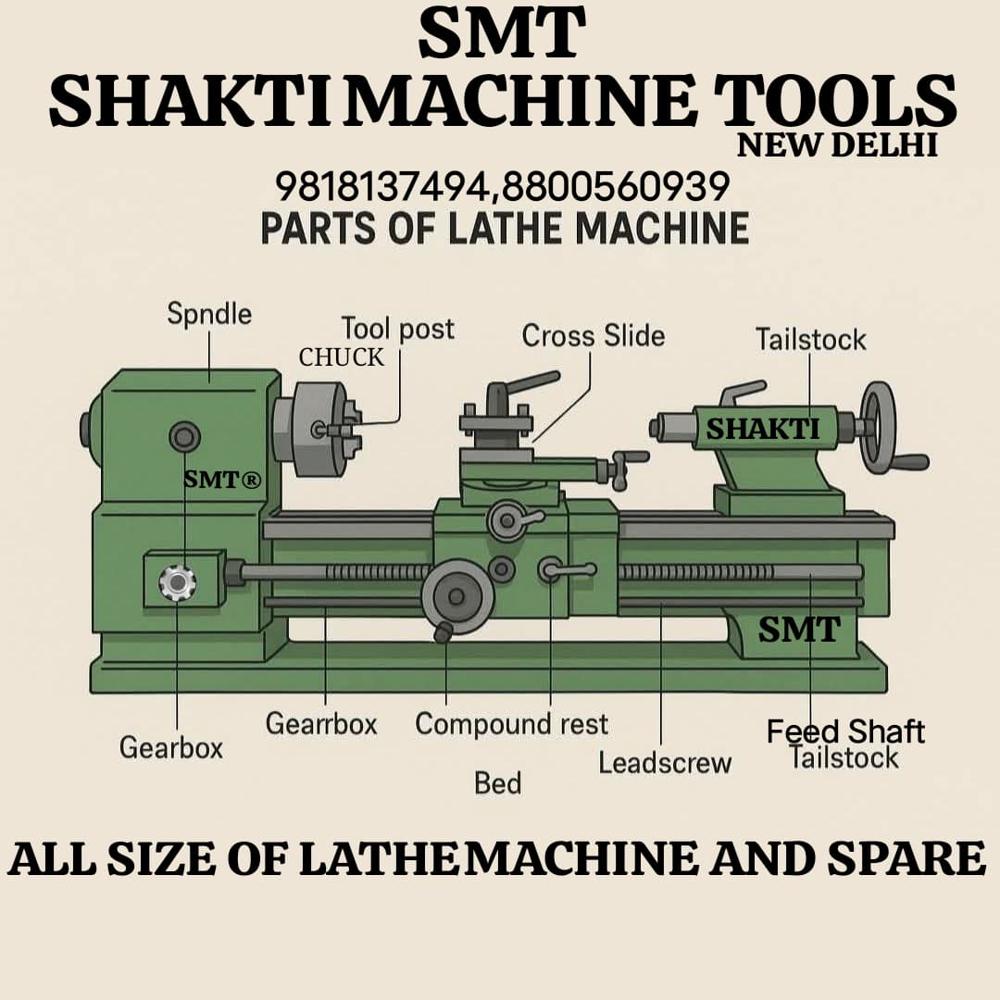
Bed: The base of the machine that supports all other components. Made of cast iron for stability.
-
Headstock: Located on the left side, it houses the main spindle and gear mechanisms to rotate the workpiece.
-
Tailstock: Positioned opposite the headstock, it supports the other end of the workpiece and can hold tools like drills.
-
Carriage: Moves the cutting tool along the workpiece. Includes the saddle, cross-slide, and tool post.
-
Lead Screw & Feed Rod: Used for precise movement of the carriage during threading and turning operations.
Common Operations:
-
Turning
-
Facing
-
Threading
-
Drilling
-
Knurling
-
Boring
Precision Engineering for Diverse Operations
These lathe machines are engineered for tasks such as turning, facing, thread cutting and drilling. Their bed, hardened and precision-ground, supports consistent accuracy throughout the machining process and provides robust stability for heavy-duty operations.
Efficient Power and Speed Management
With rated power ranging from 2 HP to 7.5 HP and input speed of 1440 rpm, these machines can be configured to various output speeds for different applications. The efficient change gear system and spur gear arrangement contribute to smooth operation and up to 80% efficiency.
Versatile Application Across Industries
Standard Lathe Machines are suitable for workshops, manufacturing units, and engineering industries. Available through manufacturers, distributors, suppliers, traders, and wholesalers in India, customers benefit from wide accessibility and tailored solutions to meet their machining requirements.
FAQ's of Standard Lathe Machines:
Q: How do I select the correct Standard Lathe Machine configuration for my workshop demands?
A: Consider the range of swing over bed, distance between centers, and desired chuck size based on your typical workpiece dimensions. Evaluate spindle bore and tail stock travel according to required drilling or turning depths. Consult with suppliers to match power rating and speed options to your production needs.Q: What materials are suitable for processing with these lathe machines?
A: Standard Lathe Machines are designed for processing cast iron and steel, making them suitable for machining a variety of automotive, industrial, and engineering components requiring turning, facing, or thread cutting operations.Q: When should the coolant pump be used during machining operations?
A: The coolant pump, provided with these lathe machines, should be engaged whenever machining generates significant heat, such as during prolonged cutting or when working with materials that are sensitive to temperature increases. This helps maintain component integrity and tool longevity.Q: Where can I purchase these lathe machines in India?
A: These machines are accessible through authorized distributors, manufacturers, suppliers, traders, and wholesalers across India. It is recommended to contact local representatives or consult the manufacturer's authorized network for purchasing and support.Q: What processes can be performed using these Standard Lathe Machines?
A: Common processes include turning, facing, thread cutting, and drilling. The machines are capable of both manual and semi-automatic operations, allowing for flexibility and precision in standard machining tasks.Q: How does the hardened and precision ground bed benefit machining?
A: A hardened and precision ground bed significantly enhances rigidity, vibration damping, and accuracy during machining. This leads to improved surface finish and dimensional stability, which is critical for high-quality outputs.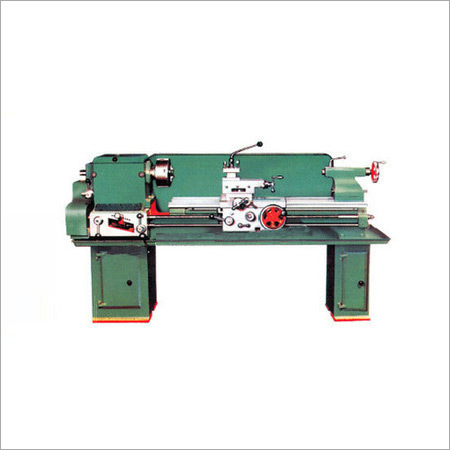
Tell us about your requirement

Price:
Quantity
Select Unit
- 50
- 100
- 200
- 250
- 500
- 1000+
Additional detail
Mobile number
Email

More Products in Standard Lathe Machine and Parts Category
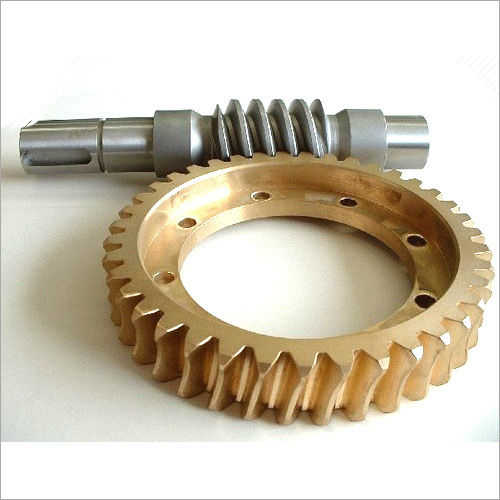
Spiral Bawel Gears
Price 300 INR / Piece
Material : Bronze for wheel Steel for shaft, Other
Processing Type : Machined, Other
Gearing Arrangement : Worm and Wheel, Other
Direction : BiDirectional
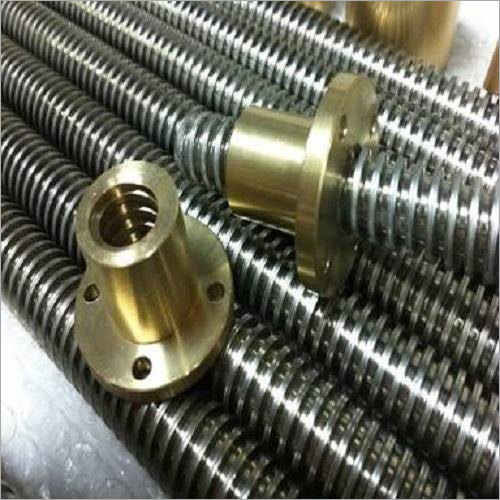
Thread Screws
Price 1500 INR / Piece
Minimum Order Quantity : 1 Piece
Material : Other, Brass and Steel
Processing Type : Other, Precision Machining
Gearing Arrangement : Other, Single
Direction : Bidirectional
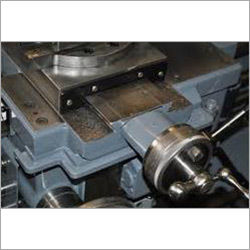
Lathe Repairing services
Material : Other
Processing Type : Other, Machining
Gearing Arrangement : Other, Single stage
Direction : Bidirectional
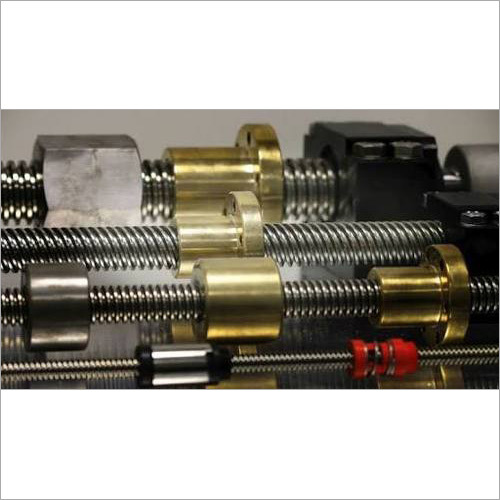
Lead Screw (Any type thread)
Price 200 INR / Number
Minimum Order Quantity : 1 Number
Material : Steel Brass, Other
Processing Type : Other, Threaded
Gearing Arrangement : Other, Single Linear Motion
Direction : Bidirectional

Address
SHAKTI MACHINE TOOLS
GST : 07AYNPS0719H1Z5
GST : 07AYNPS0719H1Z5
- Rz-75, Ravi Nagar Extn., Street No.03 Near Park Hospital,New Delhi - 110018, India
- Phone :08071780060
-
 Send Inquiry
 Send Inquiry
 Send Inquiry
 |
SHAKTI MACHINE TOOLS
All Rights Reserved.(Terms of Use) Developed and Managed by Infocom Network Private Limited. |
